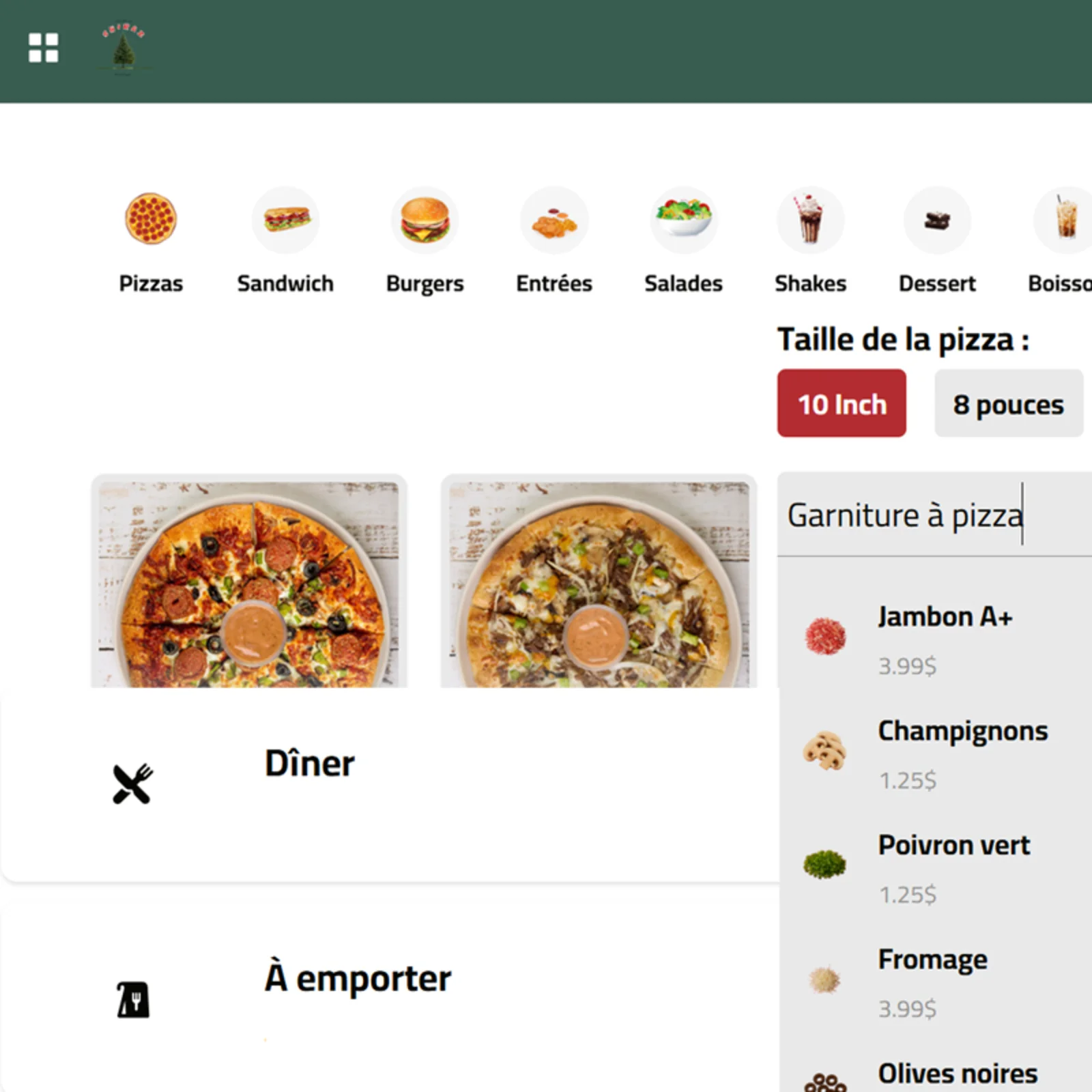
Restaurant digital assets included in a sale should be identified in writing, with ownership and transfer steps confirmed before closing. An advertised restaurant sale may mention a website or online ordering, but that wording does not prove that the seller owns the domain, content or customer data.
Inventory assets and account holders
List the domain and registrar, website files and administrator account, email, phone numbers, social profiles, online ordering, menu and product data, photos, analytics, delivery integrations and vendor subscriptions. Record the legal owner, login recovery method, renewal date, contract term and any third-party licence. Identify assets that are excluded or cannot be assigned.
Plan a controlled handover
Have the seller and buyer agree in writing who initiates each change and when. Change administrator and recovery details securely, renew expiring domains, revoke old access after transition and preserve backups. Confirm rights to use photos, recipes, branding and customer information before copying them. Test that key pages and ordering work after the transfer.
Separate transfer from replacement
If a domain or platform cannot be transferred, plan a replacement site and redirects before customers encounter a broken route. A new restaurant website may be an option for a new operation, but it does not transfer the seller’s assets. Our buying guide covers the rest of the acquisition handover.